




Africa needs to significantly accelerate electrification to meet the 2030 energy access goal.
More than 560 million people in sub-Saharan Africa still lack access to electricity, and the region needs to expand access at roughly three times the recent pace to stay on track.
The challenge is substantial, but Africa also has an opportunity to build a more flexible electricity system by combining grid expansion with solar power, battery storage and decentralized energy solutions.
Africa’s Electricity Access Gap Remains Large
Electricity access has improved across Africa over the past decade, but progress has not been fast enough to keep pace with population growth.
Sub-Saharan Africa remains home to the world’s largest concentration of people without electricity.
Rural communities account for a particularly large share of the gap because many villages are located far from existing transmission and distribution infrastructure.
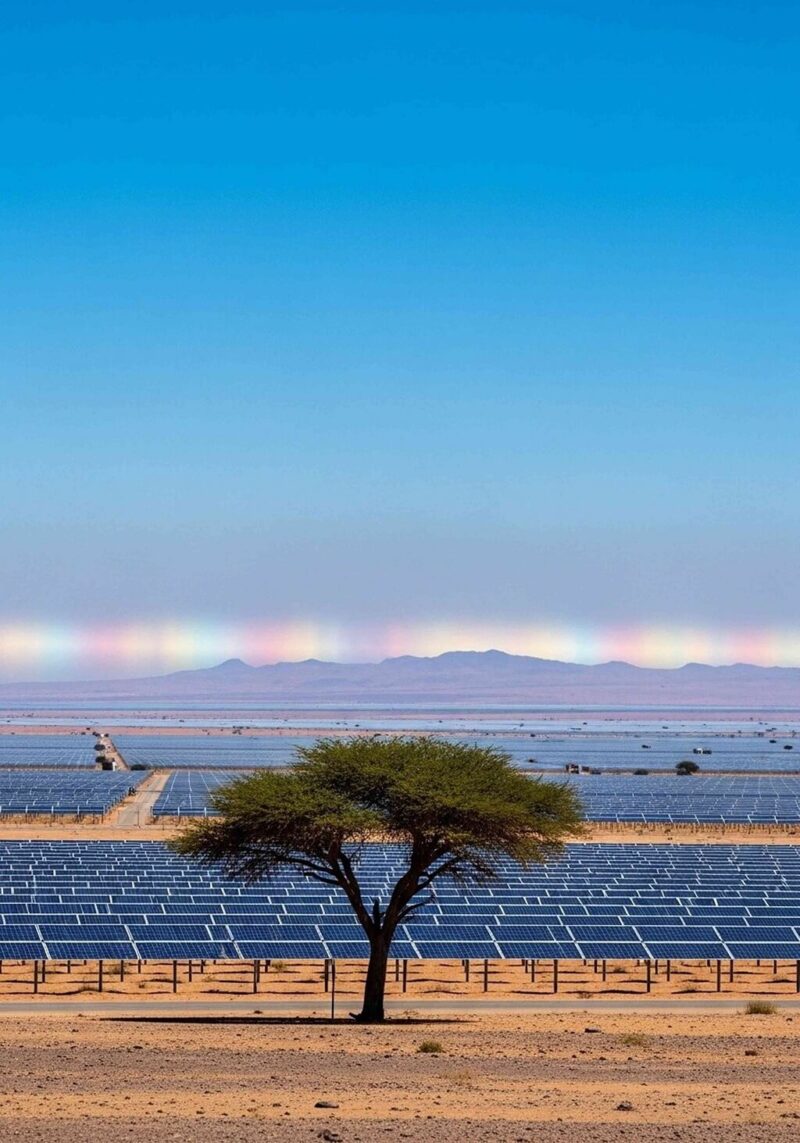
Several factors contribute to the problem:
| Challenge | Impact on Electrification |
| Rapid population growth | Increases demand for new electricity connections |
| High rural infrastructure costs | Makes remote electrification projects more expensive |
| Utility constraints | Limits the ability to expand and maintain electricity networks |
| Limited affordable financing | Slows investment in new energy projects |
| Conflict and political instability | Can delay or disrupt infrastructure development |
| Low household incomes | Makes electricity services harder to afford |
This means that simply maintaining the current rate of electrification will not be enough.
Africa needs both more investment and faster project deployment.
Why Grid Expansion Alone Is Not Enough
National electricity grids will remain essential to Africa’s long-term energy development.
Cities, industrial centers and densely populated areas require reliable grid infrastructure and increasing generation capacity.
However, extending the grid to every remote community is not always the most practical solution.
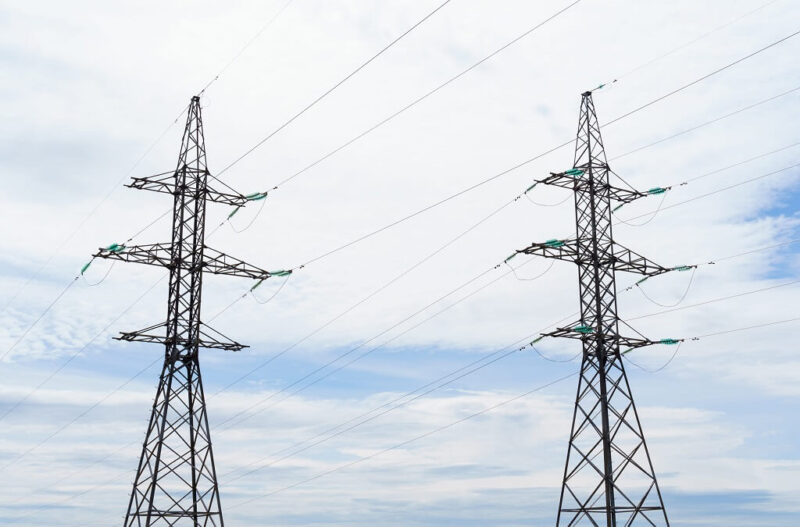
In sparsely populated areas, building long transmission lines and distribution networks can be expensive compared with the number of customers served. Decentralized energy systems can provide a faster alternative.
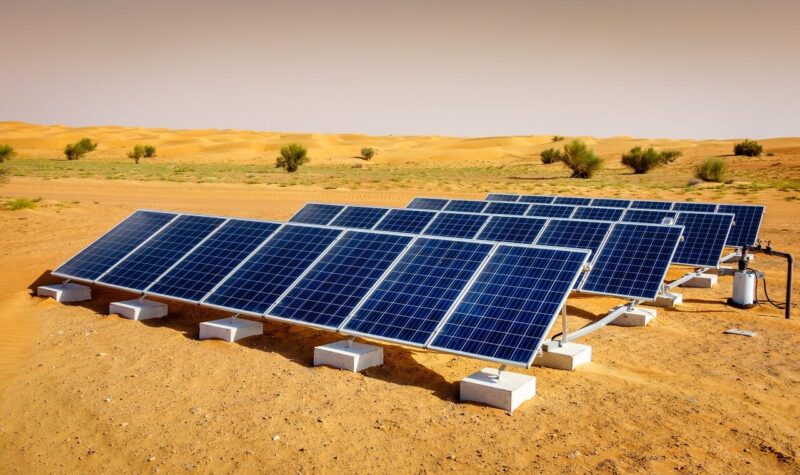
Solar mini-grids, standalone solar systems and battery-based power solutions can generate electricity closer to where it is needed. They can also be deployed in stages rather than waiting for major grid infrastructure to be completed.
A balanced electrification strategy can therefore include:
| Electrification Approach | Best Use Case |
| Grid expansion | Urban and densely populated areas |
| Solar mini-grids | Rural communities |
| Standalone solar systems | Households and small businesses |
| Battery energy storage | Reliable electricity supply and backup |
| Hybrid systems | Combining solar, batteries, and backup generation |
From a practical project perspective, this combination makes more sense than relying on a single technology for an entire continent with such different geographical and economic conditions.
Solar Energy Can Play a Larger Role
Africa has significant solar resources, making photovoltaic power an important option for expanding electricity access.
Solar systems can be particularly attractive for remote locations where diesel generators are expensive to operate or grid connections are difficult to establish. Falling technology costs and modular system designs have also made smaller renewable energy projects easier to deploy.
But solar generation has an obvious limitation: it depends on sunlight.
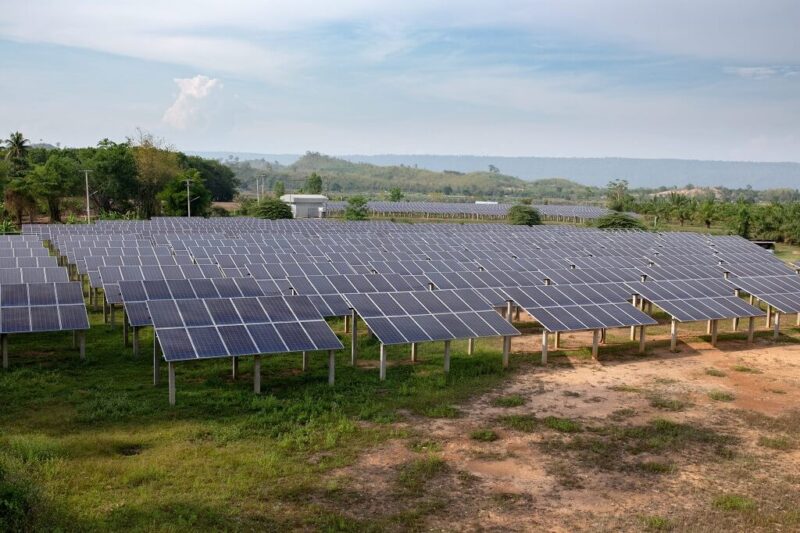
This is where battery energy storage becomes increasingly important. During the day, solar panels can supply local loads while charging batteries with excess electricity.
The stored energy can then be used during the evening or when solar generation is insufficient.
For remote communities and critical infrastructure, solar-plus-storage systems can therefore provide a more complete electricity solution than solar generation alone.
Battery Storage Supports Reliable Electrification
Expanding electricity access is not simply about connecting more people to a power source.
The quality and reliability of electricity also matter.
Unstable electricity can limit the ability of businesses, schools, healthcare facilities and telecommunications infrastructure to operate effectively.
Battery storage can help address this problem by providing backup power and smoothing fluctuations in renewable generation.
In remote areas, a hybrid system could combine:
- Solar PV for renewable electricity generation
- Battery storage for energy shifting and backup
- Diesel generation for extended periods of poor solar availability
- Energy management systems to coordinate different power sources
Such systems can be scaled according to local demand. This flexibility is especially valuable in areas where electricity consumption is expected to grow as economic activity develops.
Financing Remains a Major Barrier
Technology alone cannot close Africa’s electricity access gap.
Expanding power infrastructure across the continent will require far greater levels of investment, especially in areas where projects are expensive to build and slow to generate financial returns.
Rural electrification can be particularly difficult to finance because projects often require high upfront spending while serving communities with lower electricity demand.
Several financing tools can help make these projects more viable:
- Concessional loans can lower borrowing costs and improve project economics.
- Development funding can support projects that may not meet standard commercial return requirements.
- Risk-sharing mechanisms can reduce exposure for private investors entering less established electricity markets.
Government policy also has an important role. Clear rules for mini-grids, distributed generation and energy storage can reduce regulatory uncertainty and make long-term investment easier to plan.
International financial institutions can support this process by absorbing part of the project risk, mobilizing private capital and helping governments finance large electrification programs.
Mission 300, led by the World Bank and the African Development Bank, shows how international financing efforts are being scaled to accelerate electricity connections across Africa.
Electrification Must Also Support Economic Development
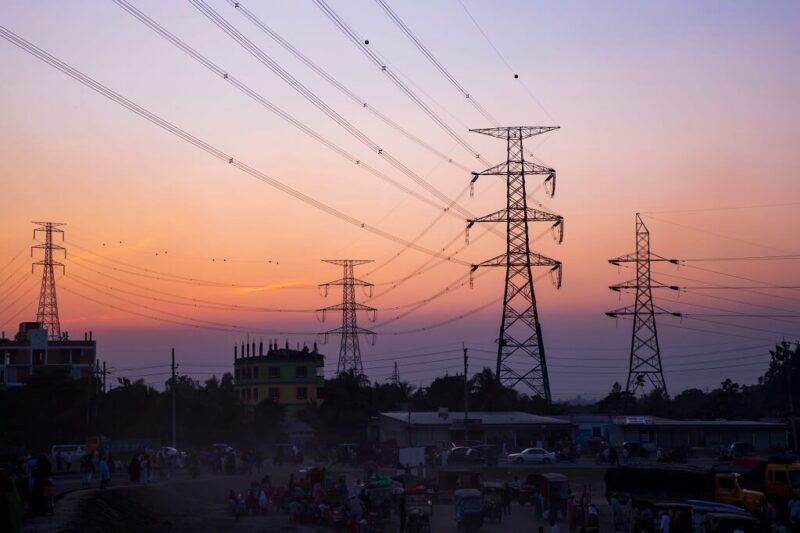
There is another important point that should not be overlooked: electricity access should create economic opportunities, not simply provide household lighting.
Reliable electricity can support small manufacturing, agriculture, cold storage, water pumping, telecommunications, healthcare and digital services.
For example, a solar-plus-storage system serving a rural community can do more than power homes.
With sufficient capacity, it can support shops, workshops, agricultural processing equipment and communications infrastructure.
This makes productive electricity demand an important part of long-term electrification planning.
How We Can Reach 2030 Goal?
Africa’s electricity access challenge is urgent, but the path forward is becoming clearer.
Grid expansion will remain a core part of the solution, while decentralized renewable energy can help reach communities that traditional infrastructure cannot serve economically.
Solar power, battery energy storage and hybrid systems can work alongside national grids to create a more flexible energy network.
The key challenge now is speed. Africa needs to move from individual projects to large-scale deployment while improving financing, regulation, infrastructure and technical capacity.
Tripling the pace of electrification will not be easy. However, with the right combination of grid investment, decentralized solar, battery storage and international financing, Africa can make much faster progress toward universal electricity access by 2030.