








Most African passport holders need visa approval before travelling to Saudi Arabia or the UAE. Saudi Arabia gives only 3 African nationalities access to its standard tourist eVisa route: Mauritius, Seychelles, and South Africa.
The UAE is narrower for ordinary passports: Mauritius and Seychelles are the main African exceptions, while almost every other African nationality needs a prearranged visit visa.
Visa rules shift often, especially around tourism, work, Umrah, Hajj, residency, and airline-sponsored entry. A traveller should always check the official visa portal or airline visa tool before booking, yet the broad map is clear.
The African Visa Map
| Destination | African Passport Holders With Easier Entry | African Passport Holders Who Usually Need A Visa Before Travel |
| Saudi Arabia | Mauritius, Seychelles, South Africa can use the Saudi tourist eVisa route | All other African ordinary passport holders usually need a visa through an embassy, sponsor, business channel, religious travel route, or another approved category |
| UAE | Mauritius gets 30-day visa on arrival via Dubai. Seychelles gets 90-day visa on arrival | All other African ordinary passport holders generally need a prearranged UAE visa |
Saudi Arabia’s official eVisa portal lists 66 eligible countries and places Mauritius, Seychelles, and South Africa under Africa. The portal also says the tourist eVisa is valid for 1 year, allows multiple entries, and permits stays of up to 90 days.
For the UAE, Emirates states that Mauritius passport holders need no advance visa arrangement for a 30-day visit visa on arrival, while Seychelles appears on the 90-day visit eligibility list.
The UAE Ministry of Foreign Affairs visa exemption tool also marks Mauritius and Seychelles as visa-free, while South Africa, Nigeria, Kenya, Egypt, Ghana, Morocco, Tunisia, and many other African states are marked visa required.
Why Saudi Arabia And The UAE Treat African Passports Differently

Saudi Arabia and the UAE both rely heavily on controlled entry systems, but their tourism models have different visa lanes.
Saudi Arabia’s tourist eVisa system was built around a list of eligible nationalities. For Africa, that list is short. Mauritius, Seychelles, and South Africa can apply online for tourist travel, leisure, events, family visits, and Umrah outside Hajj restrictions.
The official Saudi portal also makes a key point: countries outside the eligible list should contact the nearest Saudi embassy.
The UAE, especially Dubai, runs a broad visa-on-arrival system for many Western, Asian, Pacific, and Latin American passports. African coverage remains limited.
Once a UAE visa is sorted, travel planning becomes more practical: visitors heading to the capital often compare hotels, airport transfers, and cheap rent a car Abu Dhabi choices before finalizing the itinerary.
Mauritius and Seychelles benefit from easier treatment, while citizens of most larger African travel markets still need advance visas through airlines, hotels, relatives, business sponsors, travel agencies, or UAE immigration channels.
African Countries Eligible For Saudi Arabia’s Tourist eVisa

Only 3 African countries appear on Saudi Arabia’s official tourist eVisa list:
| Country | Saudi Arabia Tourist Entry Route |
| Mauritius | Eligible for Saudi tourist eVisa |
| Seychelles | Eligible for Saudi tourist eVisa |
| South Africa | Eligible for Saudi tourist eVisa |
For travellers from those 3 countries, the process is generally more direct. They can apply through the Saudi eVisa portal, pay the fee, receive approval electronically, and enter for tourism or allowed visit purposes. The official terms also say the passport must be valid for at least 6 months from the date of entry.
African Countries That Usually Need A Saudi Visa Before Travel
African passport holders from the following countries are generally outside Saudi Arabia’s standard tourist eVisa nationality list and should expect to need another visa route:
Algeria, Angola, Benin, Botswana, Burkina Faso, Burundi, Cabo Verde, Cameroon, Central African Republic, Chad, Comoros, Republic of the Congo, Democratic Republic of the Congo, Côte d’Ivoire, Djibouti, Egypt, Equatorial Guinea, Eritrea, Eswatini, Ethiopia, Gabon, Gambia, Ghana, Guinea, Guinea-Bissau, Kenya, Lesotho, Liberia, Libya, Madagascar, Malawi, Mali, Mauritania, Morocco, Mozambique, Namibia, Niger, Nigeria, Rwanda, São Tomé and Príncipe, Senegal, Sierra Leone, Somalia, South Sudan, Sudan, Tanzania, Togo, Tunisia, Uganda, Zambia, and Zimbabwe.
For many travellers, the practical route depends on purpose. A Nigerian business visitor, an Egyptian Umrah pilgrim, a Kenyan conference attendee, and a Moroccan family visitor may all need different supporting papers.
Saudi visa categories are purpose-based, so a visa that works for tourism may not work for paid employment, study, or Hajj.
Saudi Arabia also recognizes certain special eligibility routes for travellers holding valid US, UK, or Schengen tourism or business visas, subject to conditions.
Saudi Press Agency reported that holders of valid tourism or business visas from the US, UK, or Schengen states were granted an exception if the visa had been used. Travellers relying on that route should verify the rule with Saudi authorities and their airline before departure.
African Countries With UAE Visa-On-Arrival Access

The UAE’s ordinary-passport exceptions for Africa are mainly:
| Country | UAE Entry Treatment |
| Mauritius | 30-day visit visa on arrival via Dubai |
| Seychelles | 90-day multiple-entry visit visa, valid for 6 months, with 90 days total stay |
Emirates describes the Mauritius route as a free 30-day visit visa stamped on arrival at Dubai International. Seychelles appears in the 90-day eligibility group.
UAE MoFA also marks Mauritius and Seychelles as visa-free in its visa exemption tool. That matters because airline pages are helpful for passengers, while MoFA gives a government-level reference point.
African Countries That Usually Need a UAE Visa Before Travel
For ordinary passports, the following African countries generally need a prearranged UAE visa:
Algeria, Angola, Benin, Botswana, Burkina Faso, Burundi, Cabo Verde, Cameroon, Central African Republic, Chad, Comoros, Republic of the Congo, Democratic Republic of the Congo, Côte d’Ivoire, Djibouti, Egypt, Equatorial Guinea, Eritrea, Eswatini, Ethiopia, Gabon, Gambia, Ghana, Guinea, Guinea-Bissau, Kenya, Lesotho, Liberia, Libya, Madagascar, Malawi, Mali, Mauritania, Morocco, Mozambique, Namibia, Niger, Nigeria, Rwanda, São Tomé and Príncipe, Senegal, Sierra Leone, Somalia, South Africa, South Sudan, Sudan, Tanzania, Togo, Tunisia, Uganda, Zambia, and Zimbabwe.
South Africa deserves special attention because Saudi Arabia includes it on the eVisa list, while the UAE MoFA tool marks South Africa as visa required. That difference catches travellers off guard, especially those planning a Saudi-UAE trip in a single itinerary.
Saudi Arabia Versus UAE: Where African Travellers Face The Bigger Gap
Saudi Arabia gives South Africans a noticeably easier tourist route than the UAE does. Mauritius and Seychelles sit in a strong position for both destinations, although their entry treatment is not identical.
A Mauritian traveller can apply for a Saudi tourist eVisa and can usually enter the UAE with a 30-day visa on arrival. A Seychellois traveller can apply for a Saudi tourist eVisa and can usually get a UAE 90-day visit visa on arrival. A South African traveller can apply online for Saudi Arabia but generally needs a prearranged UAE visa.
For most of the continent, the situation is stricter. Passport holders from Nigeria, Kenya, Ghana, Egypt, Morocco, Tunisia, Uganda, Tanzania, and Ethiopia usually need advance arrangements for both Saudi Arabia and the UAE, unless they qualify through residency, a previously issued major-market visa, diplomatic status, airline sponsorship, or another official exception.
Visa Type Matters As Much As Nationality
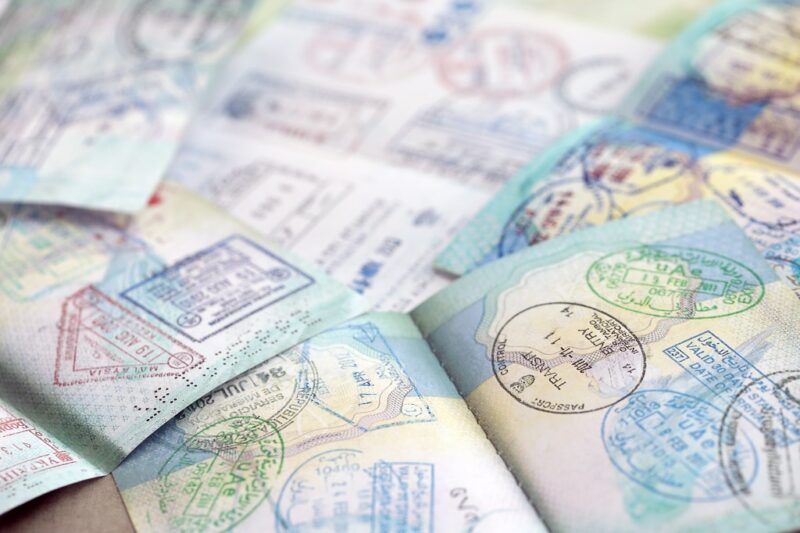
A common mistake is treating “visa required” as one fixed category. In practice, visa type decides what a traveller can do after arrival.
For Saudi Arabia, tourist eVisas can allow leisure travel, family visits, events, and Umrah outside Hajj restrictions. They do not cover study or paid work. The Saudi portal also notes restrictions around Hajj season and Makkah access for visit visa holders during specified dates.
For the UAE, visit visas are separate from work permits and residency. A person entering Dubai to attend meetings, visit family, or stay as a tourist cannot assume the same document allows local employment. UAE embassy guidance also warns that visitors entering with a visit visa are not allowed to work, paid or unpaid.
Practical Checks Before Booking
A clean visa plan should come before flights, hotel payments, or conference registrations. For African travellers, a few checks prevent most problems:
- Confirm passport validity, usually at least 6 months from entry.
- Check ordinary passport rules, not diplomatic or official passport rules.
- Match visa type to travel purpose.
- Use the Saudi eVisa portal for Saudi tourist eligibility.
- Use UAE MoFA, Emirates, Etihad, or the relevant UAE immigration channel for UAE entry.
- Confirm airline boarding rules, because airlines can refuse boarding when visa documents look incomplete.
Travel history may also matter. Saudi Arabia’s route for holders of US, UK, or Schengen visas includes conditions, so a valid sticker alone may not be enough if the visa was never used. For the UAE, nationality remains central, although residents of Gulf countries and some special categories may have separate pathways.
Bottom Line
For Saudi Arabia, all African ordinary passport holders need visa approval, but Mauritius, Seychelles, and South Africa have the easiest tourist eVisa route.
For the UAE, Mauritius and Seychelles are the main African ordinary-passport exceptions, while nearly every other African country needs a prearranged visa.
Anyone planning travel across both countries should check each destination separately, because Saudi and UAE rules do not line up neatly.