





Running a small farm on a tight budget is no joke.
Equipment expenses quickly become cost centers. A brand new combine can be over $500,000. Many smallholders can’t justify it.
But here’s the good news…
Smart farming doesn’t have to cost you an arm and a leg. In fact, buying used machinery is the quickest way to cut your expenses. Here are some savvy tips for smallholders who want to:
- Slash equipment costs by half (or more)
- Get reliable, field-proven machinery
- Stay sustainable without sacrificing output
Here’s how…
What you’ll discover:
- Why Smallholders Need a Smarter Equipment Strategy
- The Real Value of Second-Hand Combine Harvesters
- 5x Sustainable Equipment Choices That Pay Off
- How To Pick The Right Used Machine
Why Smallholders Need a Smarter Equipment Strategy
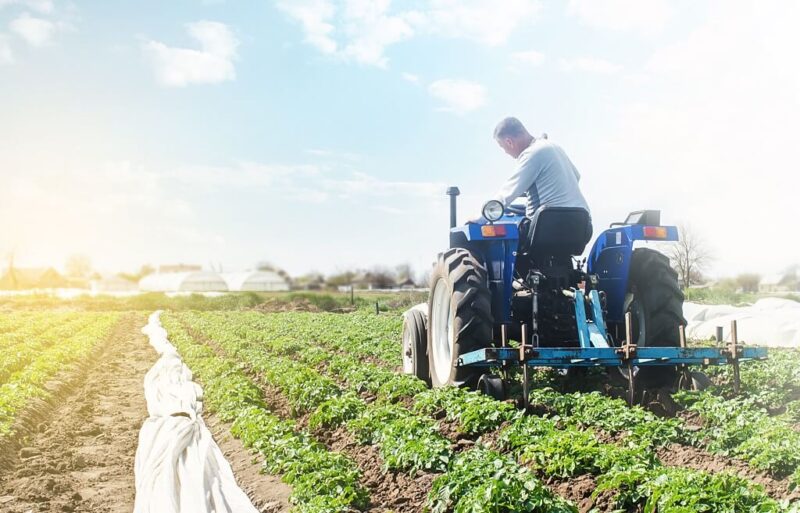
Let’s get one thing straight – small farms aren’t a small deal.
Actually, five out of six farms globally are under two hectares in size. Those farms account for about 35% of global food production. Think about that – one-third of our food comes from farms that cannot spend massive industrial agriculture dollars or purchase the latest equipment.
So the maths is pretty obvious…
In order to compete with increasing input costs and labour shortages, smallholders need machines that can do more while costing them less. For budget-conscious farmers operating on a small scale, the best bet is to forego the showroom floor and check out a quality selection of used combines for sale instead. Pre-owned combine harvesters allow smallholders to take advantage of professional grade harvesting capabilities without breaking the bank.
And the best part? You don’t have to compromise on quality.
A used combine that has been kept up will run as good as new. The owner before you took the biggest hit in depreciation… you receive the value without the loss.
The Real Value of Second-Hand Combine Harvesters
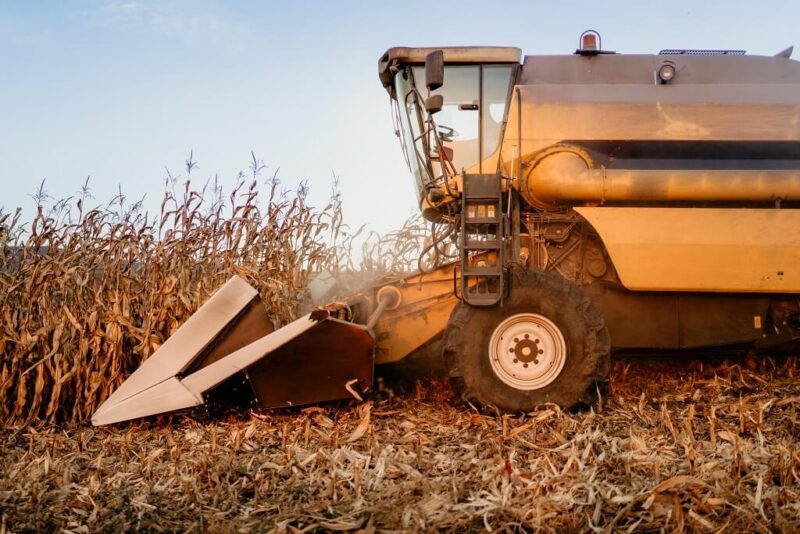
Buying used isn’t just about saving money. It’s about smart farming.
Think about it:
A brand new combine depreciates greatly as soon as it drives off the dealer’s lot. Purchase used and allow someone else to experience the depreciation while you retain your working capital.
Here’s why this matters more than ever:
Farm labour continues to become scarcer and costlier each year. The farm labour shortage is one of the main reasons driving combine harvester demand to rise at a CAGR of 9.7% through 2029. Mechanisation is no longer a choice – it’s a necessity for survival.
But the new equipment market is brutal:
- New combines can exceed $500,000 per unit
- High-spec models climb even higher
- Financing terms can stretch farms thin
Pre-owned combines turn that around. A five to ten year old machine with decent hours can be priced at a third of new – and still provide many years of useful life with care.
Now on to solutions that scale for smallholders. Solutions currently employed by operating farms that mitigate capital equipment expenditures while maintaining production levels. This is the biggest one – and the easiest win. Pre-owned combines offer dependability your bank manager can breathe easy about. With the global combine harvester market expected to reach $16.1 billion by 2034, there will always be a robust market full of inventory. When buying used, focus on: Overbuilding is one of the biggest mistakes smallholders make. A whopping big Class 9 combine harvester is way over the top for a 50 hectare farm – you’ll be using fuel and paying for capacity you’ll never use. Bigger isn’t better. Better is better. A sub-200 HP combine is typically ideal for smallholders. It works well on wheat, barley, oats and most cereals, and won’t bleed you dry on fuel and maintenance. Smaller machines also have a few hidden perks: Here’s a strategy that flies under the radar… Equipment-sharing co-ops allow smallholders to jointly purchase and service equipment. With pooling, four or five neighbours can easily share one combine – splitting the costs. Most smallholders only require a combine for a few weeks each year. During the rest of the year it costs money sitting in a shed. Maintenance isn’t sexy. But it saves a fortune. With good maintenance, a combine will last 20+ years. Neglected… maybe five years. It all comes down to a few simple habits: When smallholders perceive maintenance as an investment, they extract significantly more uptime from their machinery. Here’s something most farmers overlook… The older models also have mechanical systems that are simpler (and less expensive) to repair yourself. While today’s combines with full GPS, telematics, and software controlled systems are fantastic… when something goes wrong, you better have a dealer tech on speed dial. If you have mechanical controls, a 10-year-old machine can often be fixed with a wrench and YouTube. A huge selling point for penny pinching smallholders. Picking the right used combine isn’t complicated, but it does take patience. Begin with your acreage and crop mix. Calculate precisely how many hours of harvest you will require each year. Don’t estimate – do the math. Then look at the machine’s: Always get inspected in person if possible. Or have it done by an independent mechanic. You’ll spend the inspection fee back if it finds a lemon. Frugal smart farming isn’t about skimping – it’s about wisely spending what you have. Used combine harvesters are a perfect example. Professional-grade harvesting capability, rock-solid reliability and decades of usable life… without the jaw-dropping price. To quickly recap: Smallholders feed one-third of humanity. Given proper tools, they can continue to do so for generations.5x Sustainable Equipment Choices That Pay Off
Buy Used, Not New
Match The Machine To Your Farm
Share Equipment Through Co-Ops
Maintain What You’ve Got
Look At Hybrid And Older Tech
How To Pick The Right Used Machine
Bringing It All Together