





For African solar users, the honest answer is this: LiFePO4 batteries are more expensive to buy upfront, but lead acid batteries usually cost more over time once replacement frequency, usable capacity, efficiency losses, and maintenance are factored in.
The cheapest option on day one is rarely the cheapest option over five or ten years, especially in regions where heat, unreliable grids, and daily cycling are normal rather than exceptional.
Solar systems in much of Africa operate under harsher conditions than those assumed in most manufacturer datasheets. High ambient temperatures, frequent deep discharges, limited access to technical servicing, and the need for daily cycling put significant stress on batteries.
In many rural and peri-urban systems, batteries are discharged almost every night and recharged the next day, often with little margin for error.
Under these conditions, battery chemistry becomes a dominant cost driver. A battery that fails early or delivers only a fraction of its rated capacity changes the economics of the entire solar setup.
Two Battery Types
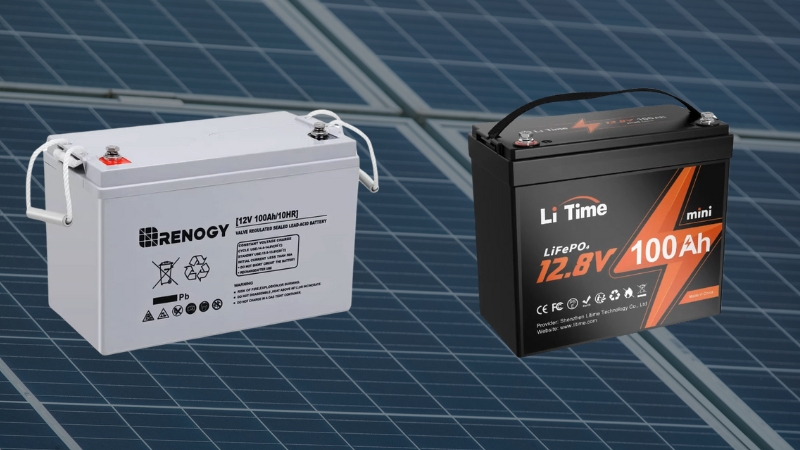
Lead Acid Batteries in Solar Systems
Lead-acid batteries, including flooded, AGM, and gel types, have been used in African solar installations for decades. Their popularity comes from low upfront cost, widespread availability, and familiarity among installers.
However, lead-acid batteries are highly sensitive to depth of discharge, temperature, and charging accuracy. Regular deep cycling significantly shortens their lifespan, and high heat accelerates internal degradation.
LiFePO4 Batteries in Solar Systems
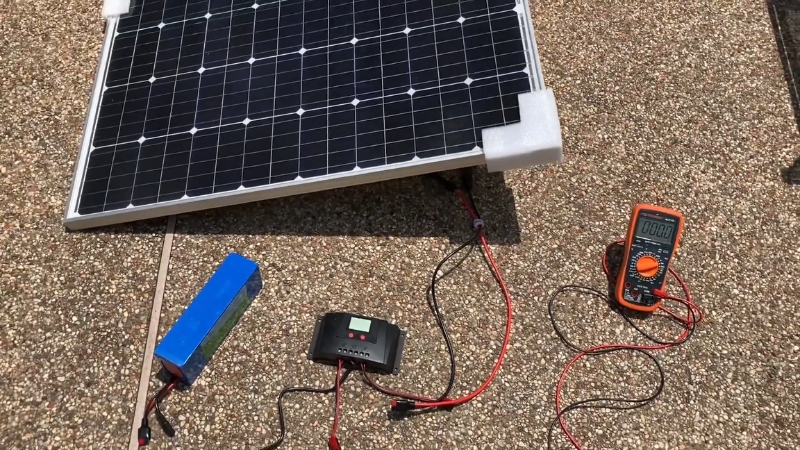
LiFePO4 (lithium iron phosphate) batteries are a subtype of lithium-ion chemistry optimized for safety, thermal stability, and long cycle life. They tolerate deep discharge, handle heat better, and require no routine maintenance.
Built-in battery management systems (BMS) protect against overcharge, over-discharge, and cell imbalance.
Their higher upfront price is often the main barrier, but their performance profile is fundamentally different from lead acid.
Usable Capacity: The Hidden Cost Factor
One of the most misunderstood aspects of battery pricing is usable capacity. Lead-acid batteries are typically rated at 100 percent capacity, but only about 50 percent is safely usable regularly. Discharging beyond that point dramatically reduces lifespan.
LiFePO4 batteries, by contrast, can safely use 80 to 90 percent of their rated capacity without meaningful damage.
Usable Capacity Comparison
Battery Type
Rated Capacity
Recommended Usable Capacity
Lead acid
100%
~50%
LiFePO4
100%
80–90%
Practical usable capacity rather than nameplate ratings
This means that a 5 kWh lead acid bank often delivers the same usable energy as a 3 kWh LiFePO4 battery, despite occupying more space and weighing significantly more.
Cycle Life and Replacement Frequency
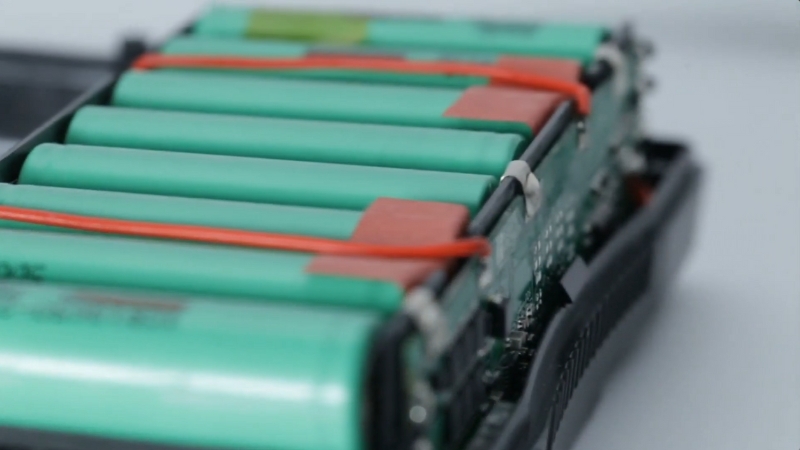
Cycle life is where long-term costs diverge sharply.
Most lead-acid batteries used in solar systems are rated for 500 to 1,500 cycles at 50 percent depth of discharge under ideal conditions. In hot climates with frequent deep discharge, real-world lifespan often falls below three years.
LiFePO4 batteries are commonly rated for 3,000 to 6,000 cycles at 80 percent depth of discharge. Even under demanding conditions, a lifespan of eight to ten years is realistic.
Cycle Life Under Solar Use
Battery Type
Typical Cycles
Realistic Solar Lifespan
Lead acid
500–1,500
2–4 years
LiFePO4
3,000–6,000
8–12 years
The expected lifespan under daily cycling is common in African solar systems
Replacement frequency alone can turn a cheap battery into an expensive one.
Heat Tolerance and Efficiency Losses
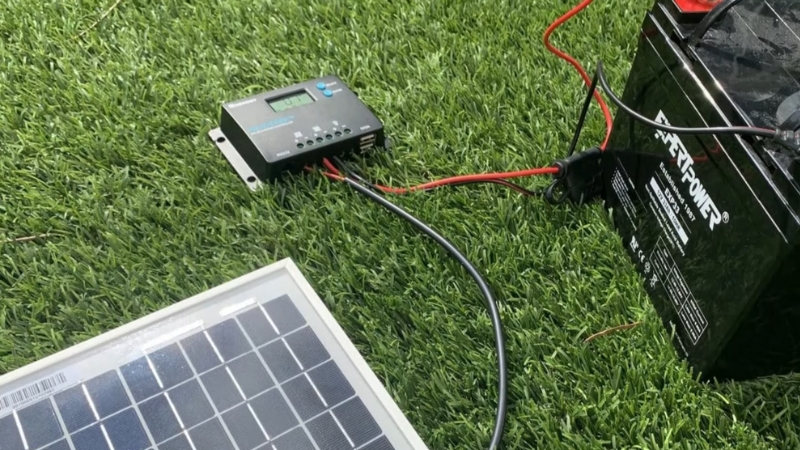
High temperatures reduce battery efficiency and lifespan. In many African regions, battery rooms routinely exceed 30°C, especially in off-grid installations without climate control.
Lead-acid batteries lose capacity faster in heat and suffer from accelerated sulfation. Charging efficiency drops, meaning more solar energy is wasted.
LiFePO4 batteries are far more tolerant of heat and maintain higher round-trip efficiency, often above 95 percent, compared to 80–85 percent for lead acid under similar conditions.
Performance in High-Temperature Environments
Factor
Lead Acid
LiFePO4
Heat tolerance
Low to moderate
High
Efficiency
80–85%
95%+
Degradation in heat
Rapid
Slow
Efficiency and durability differences in hot climates
In practical terms, this means LiFePO4 systems extract more usable energy from the same solar array.
Maintenance, Downtime, and Practical Reality
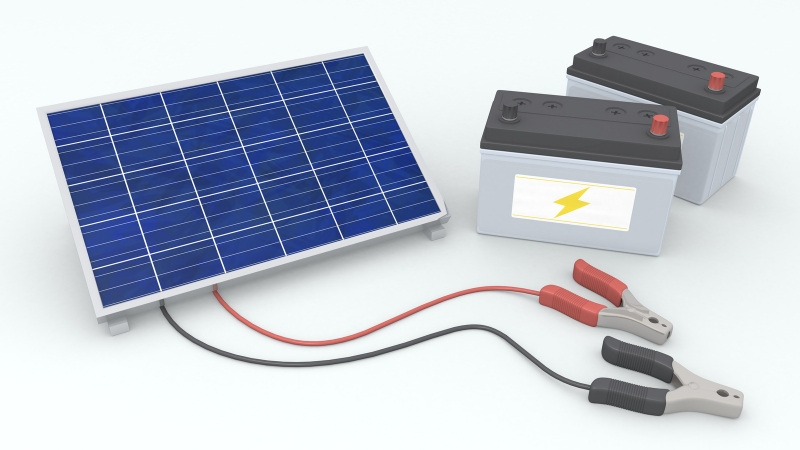
Flooded lead-acid batteries require water top-ups, ventilation, and regular inspection. Even sealed AGM and gel batteries require careful charge control to avoid premature failure. In remote areas, maintenance lapses are common and costly.
LiFePO4 batteries are maintenance-free. There is no watering, no gas emission, and no need for equalization charging. This reduces downtime and dependence on skilled technicians.
While maintenance costs are rarely listed on invoices, they accumulate over years of operation.
Total Cost of Ownership Comparison
To compare real costs, consider a modest off-grid system requiring roughly 5 kWh of usable storage over ten years.
Ten-Year Cost Comparison (Illustrative)
Cost Component
Lead Acid
LiFePO4
Initial purchase
Lower
Higher
Replacements
2–3 sets
None
Maintenance
Moderate
None
Energy losses
High
Low
Total 10-year cost
Higher
Lower
Long-term cost perspective rather than upfront price
Even when LiFePO4 costs 2–3 times more upfront, the absence of replacements and higher efficiency often result in lower total cost per kilowatt-hour delivered.
Weight, Space, and Installation Constraints
@footprinthero Are LiFePO4 batteries now cheaper than lead acid batteries? #lifepo4 #lifepo4battery #lithiumionbatteries #leadacidbattery ♬ original sound – Footprint Hero with Alex Beale
Lead-acid batteries are heavy and bulky. Transport costs, structural support, and installation labor add hidden expenses, especially in rural or rooftop systems.
LiFePO4 batteries are significantly lighter and more compact. This simplifies installation and reduces logistical costs, which can be substantial in regions with limited infrastructure.
Which Battery Is Actually Cheaper?
In short:
For very small systems with low usage and short planning horizons, lead acid can still make sense. For daily-use solar systems intended to last more than three to four years, LiFePO4 almost always wins financially.
Final Perspective
View this post on Instagram
In African solar setups, battery economics are shaped by heat, cycling frequency, and limited tolerance for failure. Under these conditions, the upfront price is a misleading metric.
What matters is how many usable kilowatt-hours a battery delivers before it must be replaced.
When evaluated on that basis, LiFePO4 batteries consistently provide more energy, over more years, with fewer problems. The higher purchase price is not a premium for technology.