

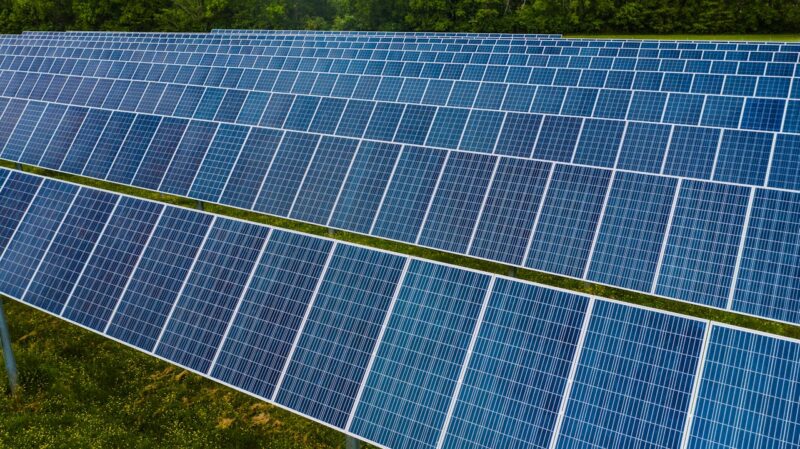
Australian government policy supports solar energy adoption to lower electricity costs and reduce carbon emissions across residential and commercial sectors.
Financial assistance exists through rebates, certificates, loans, and feed in tariffs offered at federal and state levels.
Availability depends on system size, property type, and geographic location.
Homeowners, businesses, landlords, and apartment owners can access different forms of support designed to reduce upfront costs and improve long term energy savings.
Federal Government Solar Programs
Federal level support focuses on market based incentives rather than direct cash grants.
Programs aim to reduce upfront costs for smaller systems while creating ongoing revenue streams for larger commercial installations.
Financial value depends on system size, accreditation standards, and electricity generation output over time.
Small Scale Renewable Energy Scheme SRES
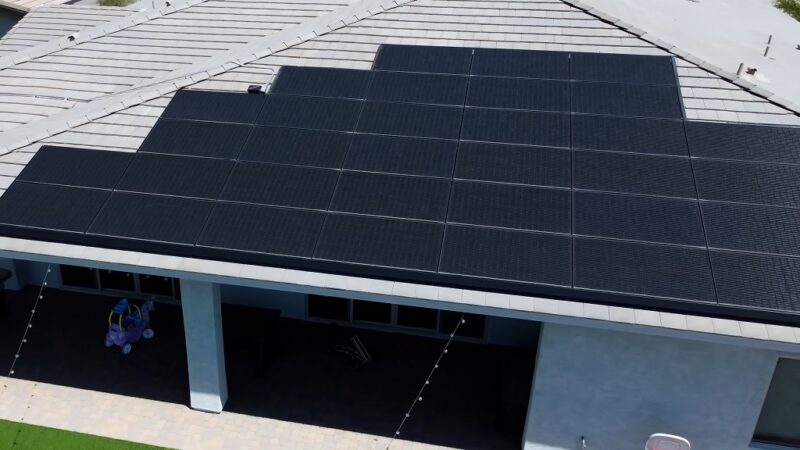
The Small Scale Renewable Energy Scheme reduces the purchase price of eligible solar systems through Small Scale Technology Certificates.
Certificates act as a point of sale discount rather than a rebate paid after installation.
Accredited solar retailers usually manage certificate creation and trading, so homeowners see immediate savings without handling paperwork.
Eligibility relies on clear technical and compliance rules. Systems must remain under 100 kilowatts and installation must be completed by a Clean Energy Council-accredited professional.
Certificate quantity depends on multiple technical factors that influence final savings.
Key elements affecting certificate volume include:
- Solar system capacity measured in kilowatts
- Installation location and assigned solar zone
- Remaining operational years counted until scheme closure in 2030
Financial impact can be substantial for residential properties. A 6.6 kilowatt solar system installed in Sydney typically generates about 91 certificates. At an estimated certificate value of 38 dollars, total savings reach approximately 3,458 dollars applied directly to the invoice.
Certificate values decline every year as part of the program design. Earlier installations receive higher certificate quantities, increasing total savings and shortening system payback periods.
Large Scale Renewable Energy Target LRET
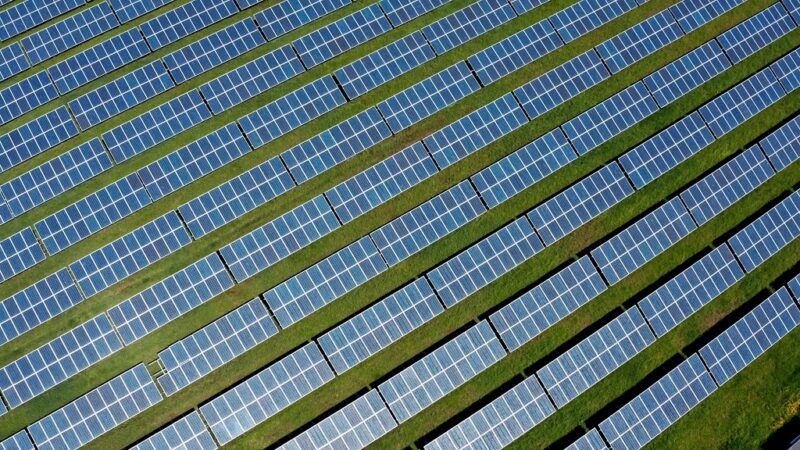
Large Scale Renewable Energy Target applies to solar systems exceeding 100 kilowatts, mainly serving commercial and industrial properties.
Program structure differs significantly compared to SRES due to ongoing generation-based incentives.
Electricity produced by qualifying systems creates Large Scale Generation Certificates. One certificate is generated for every megawatt hour of renewable electricity produced.
Certificates can be sold on the open market, creating recurring revenue rather than a single upfront discount.
Commercial projects often benefit through:
- Ongoing income tied to energy production
- Improved long term return on investment
Support for high consumption operations such as warehouses and manufacturing facilities
System owners typically engage energy traders or brokers to manage certificate sales and price timing.
Federal Budget 2023 Energy Package
Federal Budget 2023 introduced large scale funding aimed at accelerating electrification and energy efficiency upgrades across Australia.
While direct solar panel grants were excluded, funding supports activities that complement solar adoption and grid transition.
Announced allocations support multiple initiatives, including
- 1.3 billion dollars for energy efficiency upgrades and electrification projects
- 314 million dollars targeting small business incentives to reduce energy bills and transition away from gas
Funding supports appliance upgrades, building retrofits, and electrification measures that pair effectively with solar installations, improving overall household and business energy performance.
How to Apply for Solar Rebates and Grants
Application processes differ between federal and state incentives.
Federal SRES benefits apply automatically during system purchase, handled entirely by the installer through certificate trading.
State programs require proactive application steps.
Applicants must confirm eligibility through official government portals, obtain quotes through approved retailers, and submit documentation prior to installation or purchase.
Installers and businesses involved in solar projects are often subject to compliance obligations, which may include holding professional indemnity insurance Australia to protect against claims of negligence or service-related risks.
Rebates and loans are commonly applied during installation rather than paid retroactively.
State Based Solar Grant Rebate and Loan Programs
State and territory governments deliver targeted solar incentives tailored to local energy networks and policy goals.
Programs vary significantly by region and often change based on funding availability.
New South Wales NSW
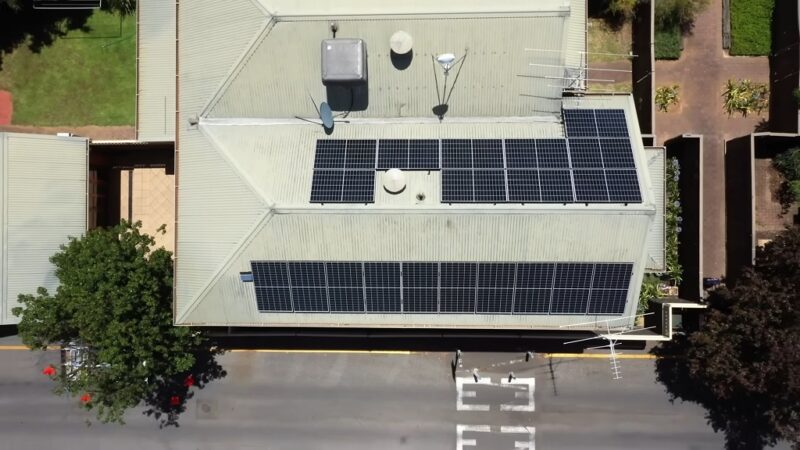
New South Wales offers several incentives focused on batteries, apartments, and demand reduction.
Financial support often increases when households participate in shared energy programs.
- Savings up to 2,400 dollars for battery installations
- Additional 250 to 400 dollars for Virtual Power Plant participation
Empowering Homes Program provides interest free loans up to 14,000 dollars for eligible households earning under 180,000 dollars annually.
Apartments Solar Grants support strata properties by covering up to 50 percent of installation costs and offering access to offsite solar garden participation.
Smart Distributed Batteries Project offers regional support with discounts reaching 4,950 dollars on Tesla Powerwall 2 systems within the South Coast area.
Local councils may offer additional incentives. Randwick Council provides a 10 percent rebate for approved solar and battery installations.
Victoria VIC
Victoria delivers one of the most comprehensive state solar programs through Solar Homes.
Residential incentives combine rebates and financing options to lower entry barriers.
- Up to 1,400 dollars rebate for solar PV systems
- Interest free loan options paired with rebates
- Additional rebates for solar hot water systems
Battery financing remains available through interest free loans up to 8,800 dollars.
- Solar for Rentals offers landlords a 1,400 dollar rebate for installing solar on rental properties, encouraging tenant energy savings.
- Solar for Apartments supports shared systems with rebates up to 2,800 dollars per apartment.
- Solar for Business Program assists eligible businesses with rebates covering up to 50 percent of system costs capped at 3,500 dollars.
Eligibility requirements include non residential properties, one to 50 full time equivalent employees, inverter capacity under 30 kilowatts, first time rebate use, and installation completed by an approved retailer.
Battery systems remain excluded, though interest free loans can still apply.
Queensland QLD
Queensland previously offered strong battery incentives through the Battery Booster Loan and Rebate program. Program closure means new applications are no longer accepted.
Feed in tariffs continue to support solar owners through payments for exported electricity. Rates vary depending on retailer and location, typically ranging between 3 and 10 cents per kilowatt hour.
South Australia SA
South Australia closed the Home Battery Scheme after offering rebates up to 2,000 dollars. Battery incentives now focus on grid participation rather than upfront discounts.
Virtual Power Plant programs remain active, allowing households with batteries to earn additional income by supporting grid stability through shared energy networks.
Australian Capital Territory ACT
Australian Capital Territory delivers energy upgrade support through the Sustainable Household Scheme.
Zero-interest loans range between 2,000 and 15,000 dollars.
- Solar panel installations
- Battery storage systems
- Electric vehicle chargers
Loan repayment integrates with household budgeting rather than relying on upfront capital.
Western Australia WA
Western Australia supports solar adoption through export payments and council driven programs.
- 10 cents per kilowatt hour during peak periods
- 3 cents per kilowatt hour during off peak periods
Switch Your Thinking Program offers discounted solar products for residents of participating councils, reducing system purchase costs.
Northern Territory NT
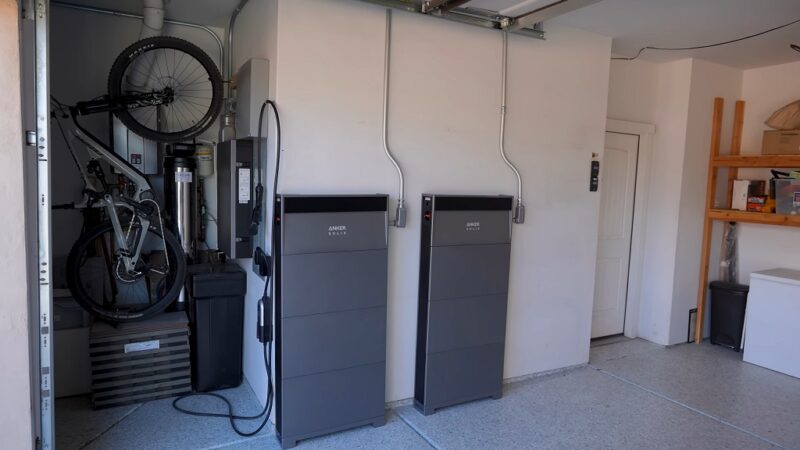
Northern Territory focuses on apartment and battery incentives due to higher energy costs and climate conditions.
Apartment Solar Rebate provides up to 50% of system costs or 7,500 dollars per unit for shared apartment installations.
Home and Business Battery Scheme offers grants up to 5,000 dollars for households, businesses, and nonprofit organizations.
Feed in tariffs apply for excess solar energy exported to the grid, with rates set by individual energy providers.
Feed in Tariffs by Region
Feed in tariffs provide ongoing savings by compensating solar owners for electricity exported to the grid. Rates vary by jurisdiction and retailer.
- New South Wales with retailer dependent rates
- Victoria averaging about 6.7 cents per kilowatt hour
- Queensland offering 3 to 10 cents per kilowatt hour
- South Australia paying around 3 to 5 cents per kilowatt hour
- Western Australia paying 10 cents during peak and 3 cents off peak
- Northern Territory offering variable rates depending on provider[/su_note]
The Bottom Line
Significant savings remain available through Small Scale Technology Certificates and targeted state programs despite limited direct federal grants.
Regional differences make early installation financially beneficial, especially prior to 2030 when STC values phase out.
Combining multiple incentives can reduce upfront costs by thousands of dollars while shortening payback periods and lowering long term energy expenses.