





Small wind turbines fail far more often from basic mechanical neglect than from catastrophic design flaws.
In off-grid and farm setups, the most expensive repairs usually trace back to three avoidable issues: worn bearings, electrical connection failure, and uncontrolled vibration or imbalance.
Addressing these early with simple DIY maintenance can prevent generator burnout, tower damage, and full turbine replacement, saving thousands of dollars over the system’s lifespan.
Why Small Wind Turbines Fail the Same Way Over and Over
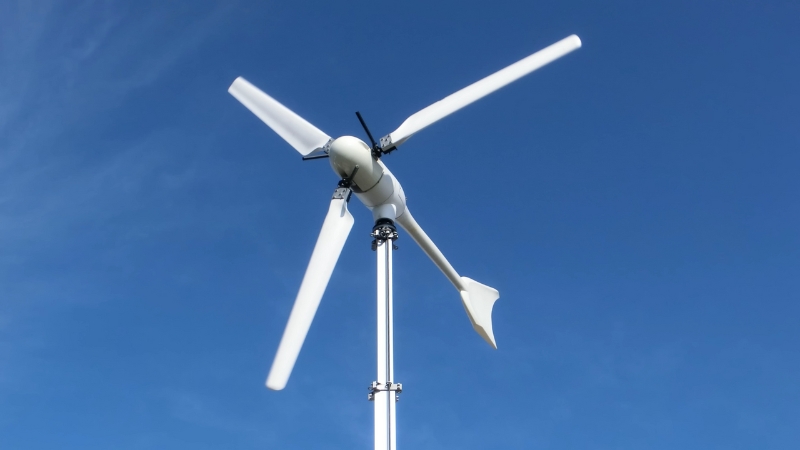
Small wind turbines operate in harsh conditions without the redundancy or monitoring systems used in utility-scale wind farms.
They experience constant vibration, uneven wind loading, temperature swings, moisture intrusion, and dust or salt exposure. Over time, these forces concentrate stress into a few specific components.
What makes DIY maintenance so effective is that failure patterns are predictable. Bearings always fail before generators. Electrical resistance always rises before controllers burn.
Vibration always appears before structural damage.
Fix 1: Bearing Wear and Shaft Play
Bearings are the mechanical heart of a wind turbine. Every rotation of the rotor transfers load through them. In small turbines, bearings are often lightly overbuilt to keep costs down, which makes lubrication and alignment critical.
As grease ages, it loses viscosity, and contamination enters through seals. Microscopic pitting forms on bearing races, increasing friction.
The generator must then work harder to maintain output, producing more heat. This heat accelerates insulation breakdown inside the generator, which is where repair costs explode.
The key point is that bearing damage rarely appears suddenly. It announces itself long before failure.
How Bearing Problems Show Up in Real Systems
View this post on Instagram
Early bearing wear changes the sound and feel of the turbine before it changes output. A low grinding noise at moderate wind speeds, slight vibration transmitted down the tower, or power output that fluctuates despite steady wind are all warning signs.
When the rotor is turned by hand during inspection, it may still spin freely but feel rough or uneven.
At this stage, the generator is still healthy. Waiting another season often means it will not be.
What DIY Bearing Maintenance Actually Involves
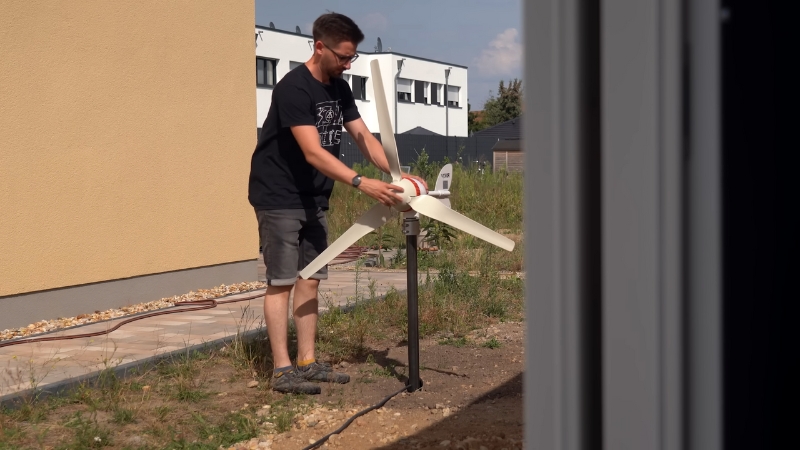
Most small turbines use standard industrial bearings that are inexpensive and widely available. Maintenance usually requires locking or unfurling the turbine, accessing the nacelle, and inspecting bearing play and smoothness.
In many cases, cleaning and re-greasing is enough to restore normal operation. If pitting is visible or play exceeds tolerance, replacement is straightforward.
Bearing Maintenance Economics
Scenario
Immediate Cost
Likely Long-Term Outcome
Ignore early noise
$0
Generator overheating
Re-grease bearings
$20–$40
Life extended 1–3 years
Replace bearings
$60–$150
Full mechanical recovery
Replace generator
$800–$2,500+
Major system expense
Fix 2: Electrical Connections and Slip Ring Degradation
Electrical faults are the most misunderstood cause of wind turbine underperformance. Because turbines still spin normally, owners often assume the problem lies with wind conditions or batteries. In reality, electrical resistance is silently destroying efficiency.
Slip rings, brushes, terminal blocks, and cable entry points all experience vibration and moisture exposure. Over time, oxidation and loosening increase resistance.
Higher resistance produces heat. Heat damages insulation and semiconductors. Eventually, charge controllers or rectifiers fail.
By the time electronics burn out, the original problem may no longer be visible.
How Electrical Problems Appear Before Failure
Electrical degradation often presents as inconsistent charging rather than total shutdown. Output may drop during strong winds, controllers may run hotter than normal, or power may cut in and out during rotation.
Visual signs include discoloration on terminals, faint arcing marks, or corrosion on slip rings.
These symptoms are frequently misdiagnosed, leading to unnecessary controller replacement.
Practical DIY Electrical Maintenance
Electrical maintenance does not require advanced diagnostic tools. It requires careful inspection, cleaning, and resealing.
Connections should be disconnected, cleaned with proper electrical cleaner, re-tightened to specification, and protected with dielectric grease. Cable entry points should be checked for water ingress and resealed if necessary.
Electrical Fault Progression and Costs
Condition
Repair Cost
Risk if Ignored
Loose terminal
$0–$10
Heat buildup
Corroded slip ring
$20–$80
Output loss
Damaged wiring
$30–$150
Controller stress
Controller failure
$300–$1,200
System downtime
Fix 3: Blade Imbalance and Vibration Control

Blade imbalance is the silent multiplier of damage in wind turbines. Even a small mass difference between blades creates cyclic forces that increase with wind speed. These forces stress bearings, shafts, yaw mechanisms, and towers simultaneously.
Imbalance does not require a broken blade. Dirt accumulation, insect buildup, ice, or edge erosion are enough to shift mass distribution. Over time, vibration accelerates wear everywhere else.
How Vibration Develops Gradually
Early imbalance produces a low-frequency hum or shaking that appears only at certain wind speeds. Bolts may loosen more frequently.
Bearings may appear to wear unusually fast, even when properly lubricated. These symptoms often precede visible blade damage by months or years.
Ignoring vibration is costly because it shortens the lifespan of every rotating and structural component.
Correcting Imbalance Without Replacing Blades
Most imbalance issues are correctable through inspection and minor adjustment. Cleaning blades evenly, checking for cracks, and ensuring all blades weigh within tolerance often solves the problem.
Small balance weights can be added when necessary, and bolt torque must be checked carefully.
Vibration Damage Escalation
Condition
Immediate Cost
Long-Term Risk
Dirt buildup
$0
Progressive imbalance
Minor blade crack
$20–$50
Blade failure
Persistent vibration
$0
Bearing and tower fatigue
Structural repair
$1,000–$5,000
Major rebuild
When Maintenance Should Happen
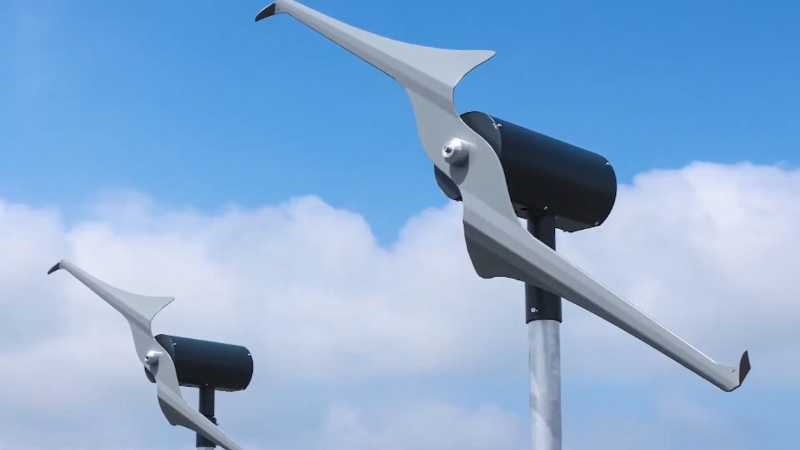
Preventive maintenance works best when scheduled, not reactive. Bearings, electrical connections, and blades should be inspected on a regular cycle, with additional checks after storms or unusual noise events.
Recommended Inspection Intervals
Component
Inspection Interval
Bearings
Every 6–12 months
Electrical connections
Every 6 months
Blades and hub
Annually and after storms
Tower hardware
Annually
Why These Three Fixes Matter More Than Anything Else
@make.electric DIY Wind Turbine Generator #freeenergy #diyproject #generator #diygenerator #electrician ♬ original sound – make.electric
Across small wind installations worldwide, these three issues account for the majority of system failures. They also interact with each other. Vibration accelerates bearing wear.
Bearing wear increases electrical stress. Electrical inefficiency increases heat and mechanical load.
Addressing these points early breaks the failure chain.
Long-Term Savings From DIY Maintenance
Maintenance Area
Estimated Savings Over 10 Years
Bearing care
$1,000–$3,000
Electrical upkeep
$500–$2,000
Vibration control
$2,000–$6,000
Final Perspective
DIY wind turbine maintenance is not about constant adjustment or chasing perfection. It is about understanding where real failures begin and intervening before damage spreads.
Bearings, electrical connections, and blade balance are not optional maintenance points. They are the structural weak spots of every small turbine system.