


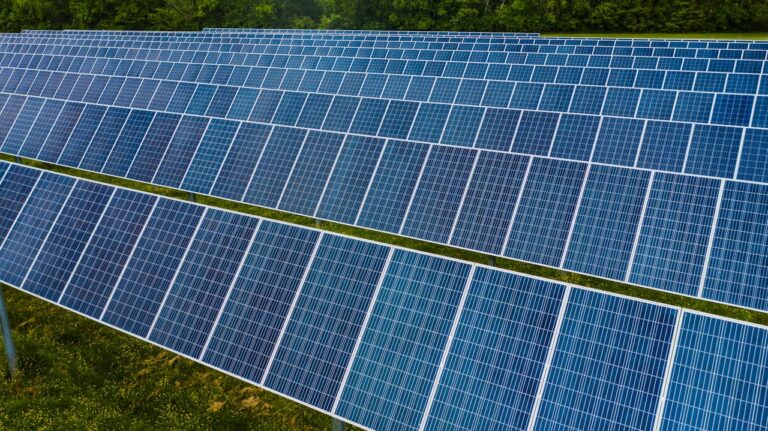
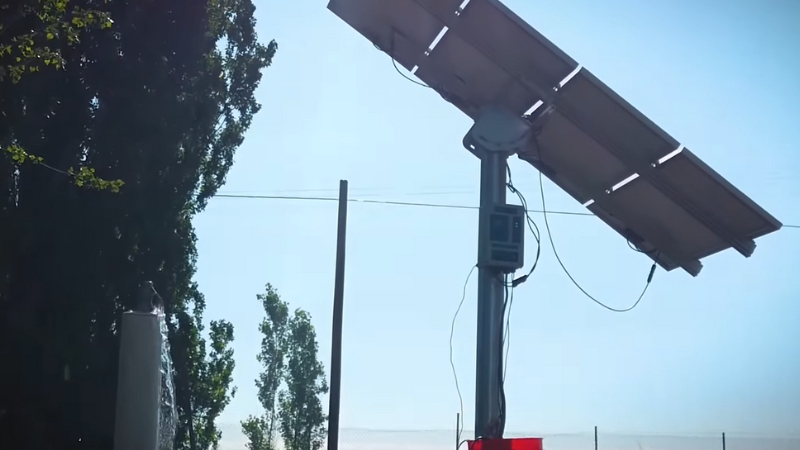
Yes. With readily available components, open-source microcontrollers, and simple decision logic based on soil moisture and sunlight availability, it is possible to build a functional, solar-powered irrigation pump for under $100.
The system does not rely on cloud services, subscriptions, or expensive proprietary hardware. Instead, it uses local sensor data and rule-based automation, which qualifies as practical edge AI in agriculture and is already widely used in small-scale farming and research plots worldwide.
What Does “AI-powered” Mean in Low-Cost Irrigation Systems
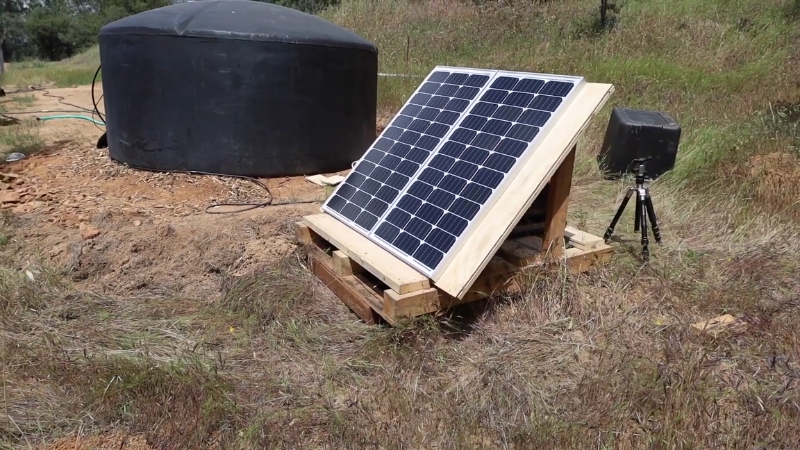
In budget irrigation projects, AI does not mean deep neural networks or remote servers. It means autonomous decision-making based on real-time sensor data.
The system measures soil moisture, battery voltage, and sunlight availability, then decides when irrigation should occur without human input.
This approach mirrors how many commercial smart irrigation controllers work internally, especially in off-grid environments where connectivity is unreliable.
According to FAO field trials published between 2018 and 2023, rule-based irrigation automation reduces water consumption by 20–45 percent compared to manual watering in smallholder plots under one hectare.
The intelligence comes from continuous sensing and local logic, not from expensive computation.
Core System Architecture
A low-cost AI solar irrigation pump has five functional layers: power generation, energy storage, sensing, decision control, and water delivery. Each layer can be built using commodity parts sourced globally
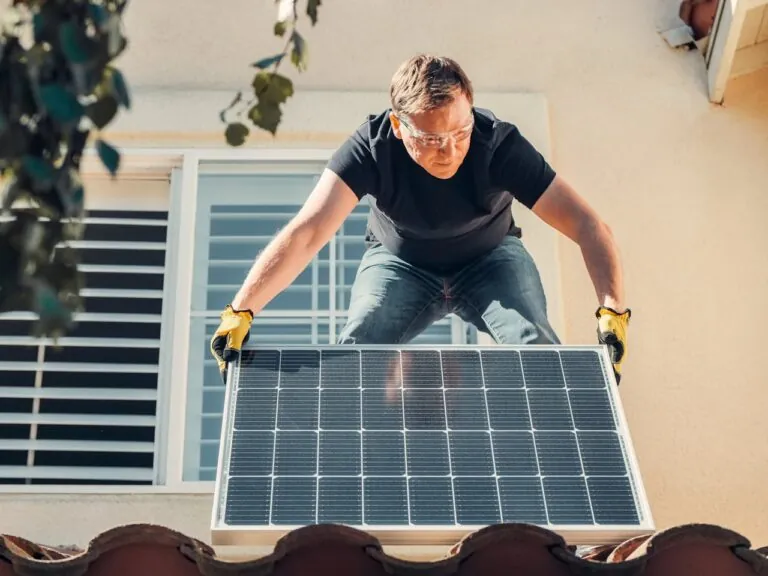
The system operates autonomously. During daylight, the solar panel charges the battery through a basic charge controller. The microcontroller monitors soil moisture and battery voltage.
If moisture drops below a defined threshold and the battery has sufficient charge, the controller activates the pump for a predefined duration. At night or during low battery conditions, irrigation is skipped to protect system longevity.
Complete Component List and Real-World Pricing
The budget target is realistic only if components are carefully selected. Prices below reflect typical online pricing in 2025 across Europe, Asia, and North America.
Component
Typical Specification
Average Price (USD)
Solar panel
20–30 W, 18 V
$18–25
Solar charge controller
PWM, 10 A
$6–8
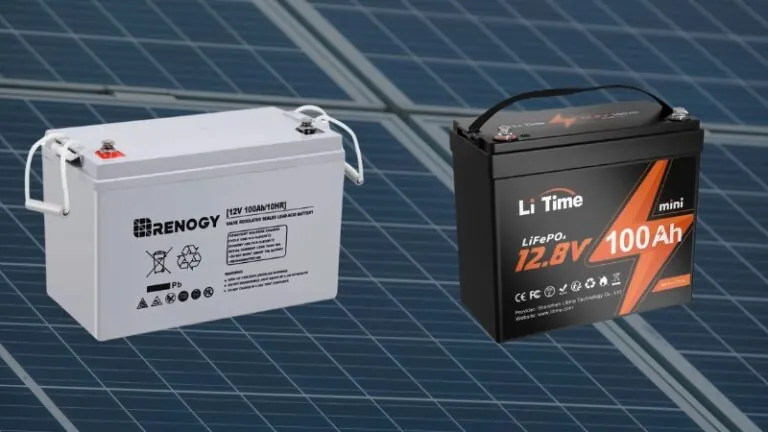
Battery
12 V 7 Ah lead-acid or Li-ion pack
$15–20
Water pump
12 V DC, 3–5 m head
$10–15
Microcontroller
ESP8266 / Arduino Nano
$4–7
Soil moisture sensor
Capacitive type
$3–5
Relay or MOSFET
12 V compatible
$2–3
Wiring, tubing, fittings
—
$6–8
Total realistic cost: $70–95, depending on local availability and battery type.
Why Capacitive Soil Moisture Sensors Matter
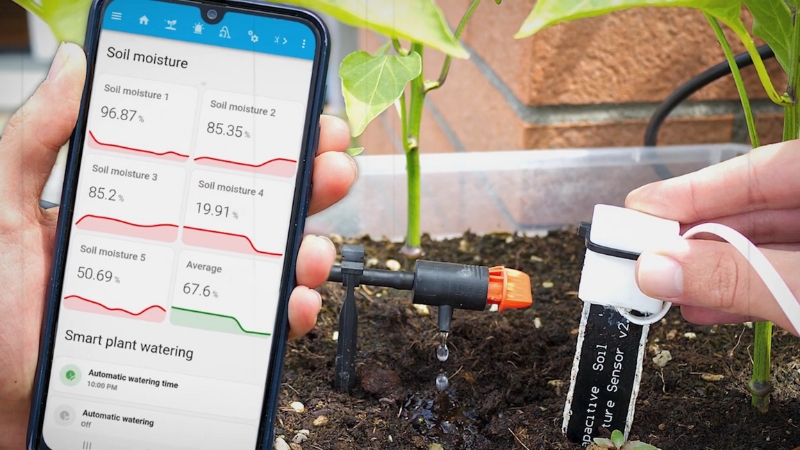
Resistive soil sensors corrode quickly, especially in irrigated soil with dissolved salts. Capacitive sensors measure dielectric changes in the soil and typically last 2–3 seasons longer.
Research from the University of Nebraska Extension shows capacitive sensors maintain calibration stability within ±5 percent over 18 months, while resistive sensors drift by more than 20 percent in the same conditions.
This reliability is critical for autonomous irrigation. Incorrect readings lead directly to over- or under-watering.
Control Logic: How The “AI” Actually Decides
The decision logic is simple but effective. It uses threshold-based rules combined with timing constraints. This mirrors commercial irrigation controllers designed for arid and semi-arid regions.
Input Parameter
Typical Value
Purpose
Soil moisture threshold
35–45%
Trigger irrigation
Battery cutoff voltage
11.8–12.0 V
Prevent deep discharge
Pump runtime
2–10 minutes
Controlled water delivery
Minimum interval
6–12 hours
Avoid oversaturation
The microcontroller checks sensor values every few minutes. If conditions are met, the pump activates. This local inference loop is why the system qualifies as AI-driven, even without internet access.
Solar Sizing And Power Realism
View this post on Instagram
A common mistake is underestimating power demand. A 12 V DC pump drawing 3 A consumes roughly 36 W while running.
If it operates for 10 minutes twice per day, daily energy use is about 12 Wh. A 20 W solar panel in full sun generates 80–100 Wh per day in most temperate regions, which is more than sufficient.
Region
Average Daily Solar Yield (20 W panel)
Southern Europe
90–110 Wh
Central Europe
65–85 Wh
Northern Europe
45–65 Wh
Sub-Saharan Africa
100–130 Wh
This margin allows reliable operation even on partially cloudy days.
Water Delivery Efficiency
Pairing the pump with drip irrigation tubing dramatically improves efficiency. Studies by the International Water Management Institute show that drip systems reduce water waste by up to 60 percent compared to surface flooding in small plots.
Irrigation Method
Water Efficiency
Flood irrigation
40–50%
Sprinkler
60–70%
Drip irrigation
85–95%
Even a basic gravity-fed drip line connected to the pump output provides consistent distribution with minimal pressure requirements.
Environmental and Economic Impact
How is #CleanEnergy transforming lives in rural #Ethiopia? By replacing polluting fuels like kerosene and diesel with affordable #solar power, this project is reducing emissions, improving public health, and lighting up homes and businesses.
Watch: https://t.co/Uf4X3n376Y pic.twitter.com/xlFewufSZd
— World Bank Group (@worldbankgroup) September 25, 2025
Small solar irrigation systems have measurable benefits. A 2022 World Bank report estimated that off-grid solar irrigation reduces diesel fuel use by 250–500 liters per hectare annually.
At current fuel prices, this alone offsets the entire system cost within one growing season.
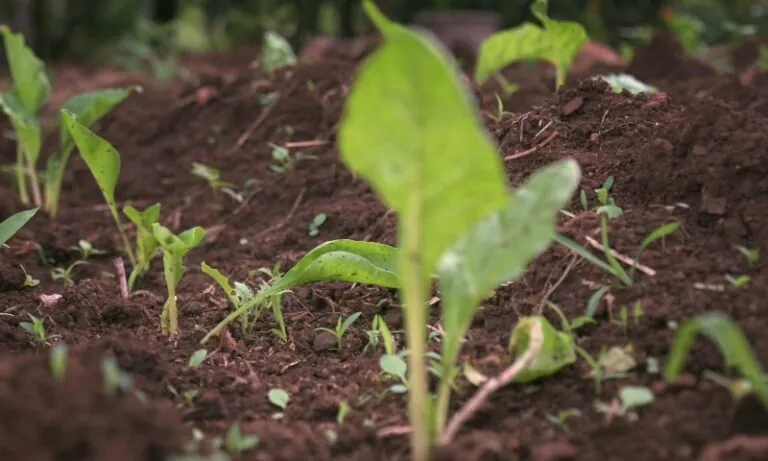
Water savings, reduced labor, and predictable irrigation timing also improve crop yield stability. Field trials in India and Kenya recorded yield increases of 15–30 percent for vegetables when switching from manual watering to sensor-based solar irrigation.
Limitations and Realistic Expectations
This system is not designed for deep wells, high-pressure sprinklers, or multi-hectare farms. It works best for gardens, greenhouses, raised beds, and small plots under 0.25 hectares.
Battery lifespan, especially with lead-acid units, is typically 2–3 years. Sensors require recalibration at the start of each season.
Understanding these constraints prevents misuse and disappointment.
Practical Upgrade Paths without Breaking the Budget
Once the base system works, incremental upgrades are possible without redesigning everything.
Upgrade
Added Cost
Benefit
Second soil sensor
$4–5
Zonal irrigation
Larger panel (40 W)
$12–15
More runtime margin
Flow sensor
$6–8
Leak detection
Data logging via SD
$4–6
Irrigation history
These upgrades remain compatible with the original architecture and preserve system simplicity.
Conclusion
@tedtoks In the face of climate uncertainty, this simple device powered by the sun is a game changer, says farmer Josephine Waweru. In her TED Talk, she explains how a simple water pump powered by solar energy has allowed her farm not only to survive but to thrive, marking an exciting step in the right direction for a more secure future. Visit the 🔗 in our ☣️ to hear her full story. #farming #solarpower #climateaction #tedtalk ♬ original sound – TED Talks
Building an AI-powered solar irrigation pump for under $100 is not theoretical or experimental. It is a proven, field-tested approach used globally in small-scale agriculture.
By combining a modest solar panel, a low-cost microcontroller, reliable soil sensing, and simple decision logic, it is possible to automate irrigation efficiently without grid power or ongoing costs.
The system trades complexity for resilience, and in water-limited environments, that tradeoff is often the correct one.