





As weather patterns become more unstable and extreme, horses are facing direct and measurable environmental pressures that affect their health, behavior, nutrition, housing needs, and long-term soundness.
Rising temperatures, erratic rainfall, longer droughts, heavier storms, wildfire smoke, shifting parasite zones, and declining pasture reliability are no longer future scenarios; they are present-day management challenges. The reality is simple: today’s horse is living in a climate that no longer matches the traditional seasonal rhythms its body and management systems evolved for.
Heat Stress Is No Longer a Seasonal Problem
Heat has always been part of horse management, but the difference now is duration and intensity. Many regions that once had predictable summer heat waves now experience prolonged high-temperature periods that extend into spring and fall, including Africa. Horses are thermoregulated athletes with limited sweat efficiency compared to other species, making sustained heat far more dangerous than brief spikes.
Modern heat stress does not always look dramatic. Instead of collapse, many horses show subtle early signs: reduced feed intake, slower recovery after exercise, lethargy during turnout, poor coat shedding, lower electrolyte balance, and dehydration that owners underestimate. Chronic low-grade heat stress weakens immune response, delays muscle recovery, suppresses appetite, and increases colic risk.
When nighttime temperatures remain elevated, horses also lose the overnight cooling window that once allowed their core temperature to reset. This disrupts sleep cycles, muscle repair, and hormonal balance, especially in performance horses and seniors.
Heat Stress Risk Factors
| Factor | Why It Increases Risk |
| High humidity | Reduces sweat evaporation |
| Poor airflow | Traps heat at skin level |
| Dark coat color | Absorbs solar radiation |
| Obesity | Increases metabolic heat |
| Electrolyte imbalance | Impairs cooling ability |
| Heavy parasite load | Increases physiological strain |
Pasture Instability and Forage Uncertainty
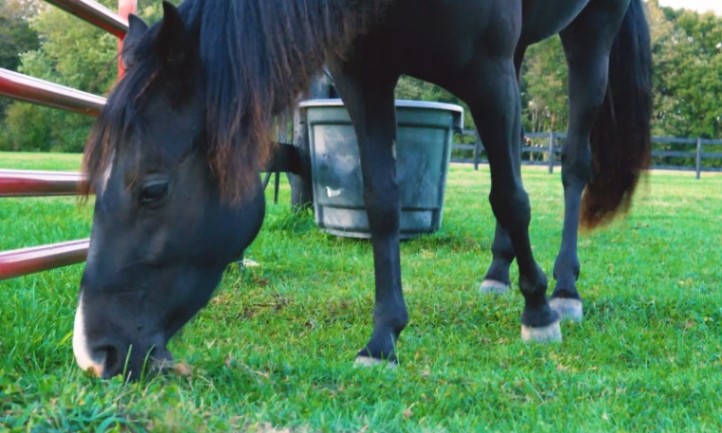
One of the most disruptive environmental pressures affecting horses today is forage instability. Shifting rainfall patterns, extended drought followed by heavy rain, are breaking the reliability of traditional pasture cycles. Grass that once grew evenly through the season is now arriving in unpredictable flushes or failing.
This has two major consequences. First, horses experience irregular nutritional supply, swinging between sudden sugar-rich growth and long periods of sparse grazing. These fluctuations directly increase the risk of laminitis, insulin dysregulation, and hindgut instability.
Second, hay production itself becomes inconsistent. Drought reduces yield. Excess rain during cutting ruins nutrient quality. Storage mold risk increases when humidity stays high.
As forage quality becomes increasingly unstable due to drought, irregular rainfall, and disrupted soil cycles, nutritional precision is no longer optional for many horses. Owners are being forced to move away from generalized feeding and toward forage testing, mineral balancing, and metabolic-specific nutrition planning just to maintain baseline health.
This is especially critical for horses with insulin dysregulation, muscle disorders, or chronic inflammatory stress, where even small shifts in starch or mineral ratios can trigger serious setbacks.
Many owners now rely on specialized feeding frameworks and research-based resources such as Equus Victu to navigate low-NSC forage strategies, structural muscle support, and climate-driven nutritional adaptations that traditional feeding programs were never designed to address.
Owners who once relied on consistent pasture now face increasing dependence on purchased hay, often at higher cost and lower predictable quality.
Forage-Related Environmental Pressures
| Environmental Shift | Consequence for Horses |
| Drought | Reduced pasture biomass |
| Heavy rain | Washed-out nutrients |
| Rapid spring warm-ups | Sugar spikes in grass |
| Humid harvest conditions | Increased mold in hay |
| Delayed frost | Extended parasite survival |
Expanding Parasite and Vector Zones
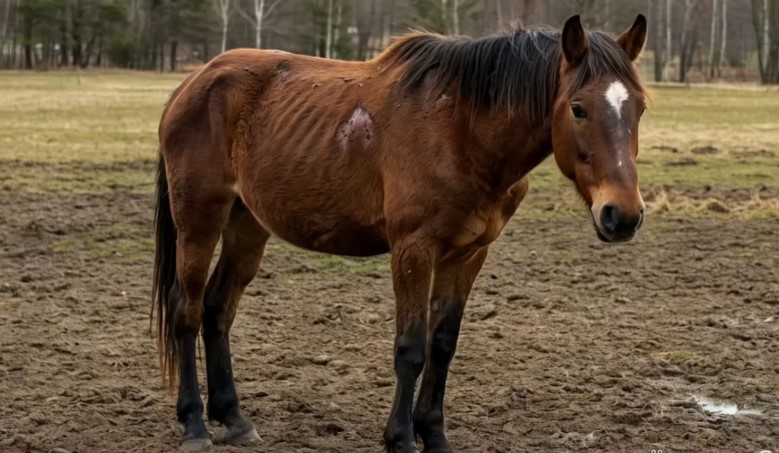
As temperatures rise and winters become milder, parasites and disease vectors are expanding into regions where they were once naturally controlled by cold seasons. Internal parasites survive longer in soil. Insects breed across longer portions of the year. New disease risks are emerging in zones that have never previously managed them.
This creates serious management consequences. Traditional deworming schedules become unreliable. Fly seasons stretch for months longer than before. Tick populations expand geographically, now carrying pathogens that were once regionally isolated.
Horses experience higher inflammatory and allergic burdens, which impact respiratory health, skin integrity, metabolic stability, and performance recovery.
What once was a “summer parasite problem” has now become a near year-round management concern in many climates.
Air Quality, Wildfire Smoke, and Respiratory Load
Wildfire seasons are lengthening, and even regions far from active fires are experiencing repetitive smoke exposure. Horses are especially sensitive to airborne particulates due to their large lung capacity and high oxygen demand. Poor air quality directly stresses the respiratory tract, even in horses with no previous breathing issues.
Repeated smoke exposure leads to:
- airway inflammation
- increased mucus production
- reduced oxygen exchange
- A higher incidence of coughing,
- elevated risk for recurrent airway obstruction, and equine asthma
Unlike dust, wildfire smoke contains extremely fine particulate matter that penetrates deep into lung tissue. Even short-term exposure reduces performance capacity. Repeated exposure can cause structural airway damage.
Horses kept outdoors during smoke events are particularly vulnerable because there is often no filtration or shelter available at the pasture level.
Hydration, Volatility and Water Stress

Heat, drought, and shifting rainfall directly affect water availability and quality. Horses require large volumes of clean water daily, and even mild dehydration quickly alters digestion, circulation, thermoregulation, and joint lubrication.
Climate-driven water stress creates multiple overlapping problems:
- natural water sources drying up
- increased algae growth in troughs
- Higher bacterial load in standing water
- increased mineral content in well water
- reduced thirst response during heat stress
Hydration is no longer just about access; it is about continuous quality control, especially during extended hot periods when horses may drink more but absorb less effectively due to electrolyte depletion.
Shelter Failure Under Extreme Weather Conditions
Storm intensity has increased in many regions. Wind events, flash flooding, ice storms, and rapid freeze-thaw cycles place unprecedented strain on fencing systems, run-in sheds, barns, and drainage infrastructure.
Horses are now facing:
- flooded paddocks
- ice-layered footing
- collapsed fencing from the wind
- unstable shelter roofs
- increased likelihood of lightning exposure
These conditions elevate injury risk even during routine turnout. Drainage failures alone can convert safe paddocks into slipping hazards within hours after a storm.
Behavioral Stress and Disrupted Seasonal Rhythms
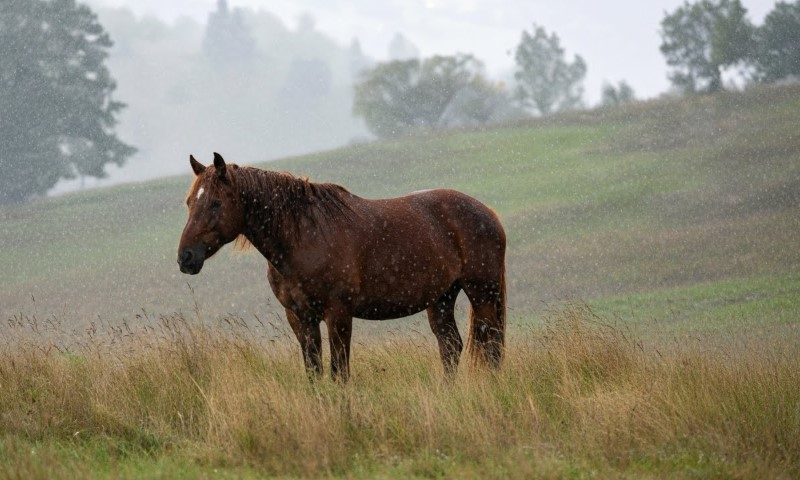
Horses evolved with predictable seasonal patterns that regulate shedding, reproduction, metabolism, and social behavior. When the weather becomes erratic, those internal rhythms lose reliability. Horses may:
- shed late or incompletely
- cycle irregularly
- show disrupted appetite patterns
- display increased anxiety during unstable weather
- develop digestive irregularities tied to stress
Behavioral stress compounds physical stress. A horse that never fully adapts to heat, forage fluctuation, or environmental instability stays in a semi-chronic stress state that weakens immune response and increases susceptibility to ulcers, colic, and muscle disorders.
Economic Pressures on Horse Care Driven by Climate Change
Environmental instability translates directly into rising horse care costs. Hay shortages drive prices up. Vet visits increase with heat-related illness and respiratory events. Infrastructure repairs occur more often due to storm damage. Fly control, water management, dust control, and shelter upgrades all compound to higher annual expenses.
Owners increasingly must budget for:
- emergency hay purchasing
- upgraded shade and ventilation systems
- water filtration and monitoring
- extended parasite control programs
- respiratory support supplements
Climate adaptation is now a recurring cost, not a one-time upgrade.
What Horse Owners Are Already Being Forced to Change
Across regions, management is shifting in response to environmental reality rather than tradition. Owners are:
- adjusting turnout schedules to avoid heat peaks
- rotating pastures more aggressively
- testing hay more frequently
- installing automatic water systems
- upgrading shade structures
- implementing year-round parasite surveillance
- monitoring air quality alerts before work sessions
The modern horse owner is becoming part meteorologist, part environmental technician, part risk manager, simply to maintain baseline health.
Conclusion
The environmental pressures horses face today are not speculative; they are already affecting heat tolerance, immune resilience, pasture reliability, respiratory integrity, hydration balance, parasite exposure, and behavioral stability. Horses are extremely adaptable animals, but adaptation requires informed human management behind it.
The greatest danger right now is not climate change itself. It is treating today’s environment as if it still follows yesterday’s rules. Owners who adjust proactively, through forage planning, hydration strategy, shelter upgrades, air quality management, and parasite control, will protect both horse health and long-term soundness. Those who wait for “normal seasons” to return are waiting for a climate reality that no longer exists.